
Why Your Headaches Keep Coming Back (And What Your Neck Has To Do With It)
If you suffer from recurring headaches, you know how frustrating it can be to rely on painkillers, rest, or other temporary fixes just to get through your week. And when the headaches keep returning, it’s natural to wonder why.
One possible contributor that is often overlooked is the neck. In some types of headaches, pain can originate from structures in the cervical spine (neck) and be felt in the head. Neck stiffness, reduced mobility, muscle function, and even how your upper back and shoulders move may all play a role.
Understanding the relationship between your neck, upper back, and head can help determine whether your neck is contributing to your recurring headaches—and what you may be able to do about it. In this article, we’ll look at how to recognize a cervicogenic (neck-related) headache, why it may keep coming back, and what can be done to address the factors contributing to it.
Can Neck Pain Cause Headaches?
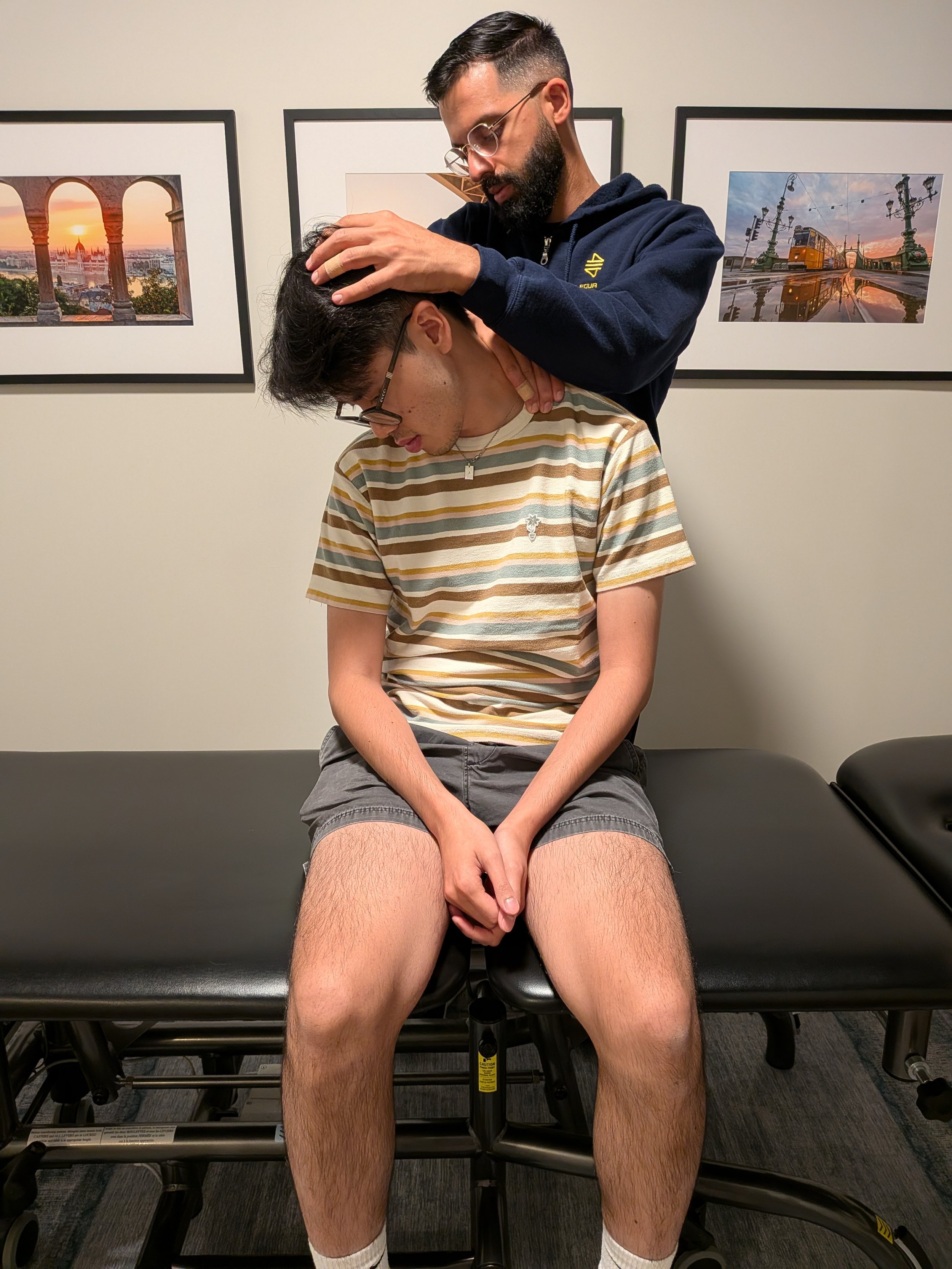
The simple answer is yes. Research suggests that up to 90% of people with migraine or tension-type headaches also experience neck pain. However, having neck pain alongside a headache doesn’t necessarily mean the neck is causing it.
Research has also identified changes in neck mobility, muscle function, and joint function in some people with persistent headaches. The neck and head are closely connected, and in certain types of headaches, structures in the neck can contribute to pain that is felt in the head.
What Is a Cervicogenic Headache?
A cervicogenic headache (CGH) is classified by the International Headache Society as a secondary headache, meaning the headache is caused by a problem elsewhere in the body—in this case, the neck.
The pain originates from structures in the cervical spine (neck) but is felt in the head. This is known as referred pain: the source of the problem and the location where you feel the pain are not always the same.
What Does a Cervicogenic Headache Feel Like?
Cervicogenic headaches can share some features with migraines and tension-type headaches, which can make them difficult to distinguish without a thorough clinical assessment. However, there are certain characteristics that may suggest the neck is contributing to your headache.
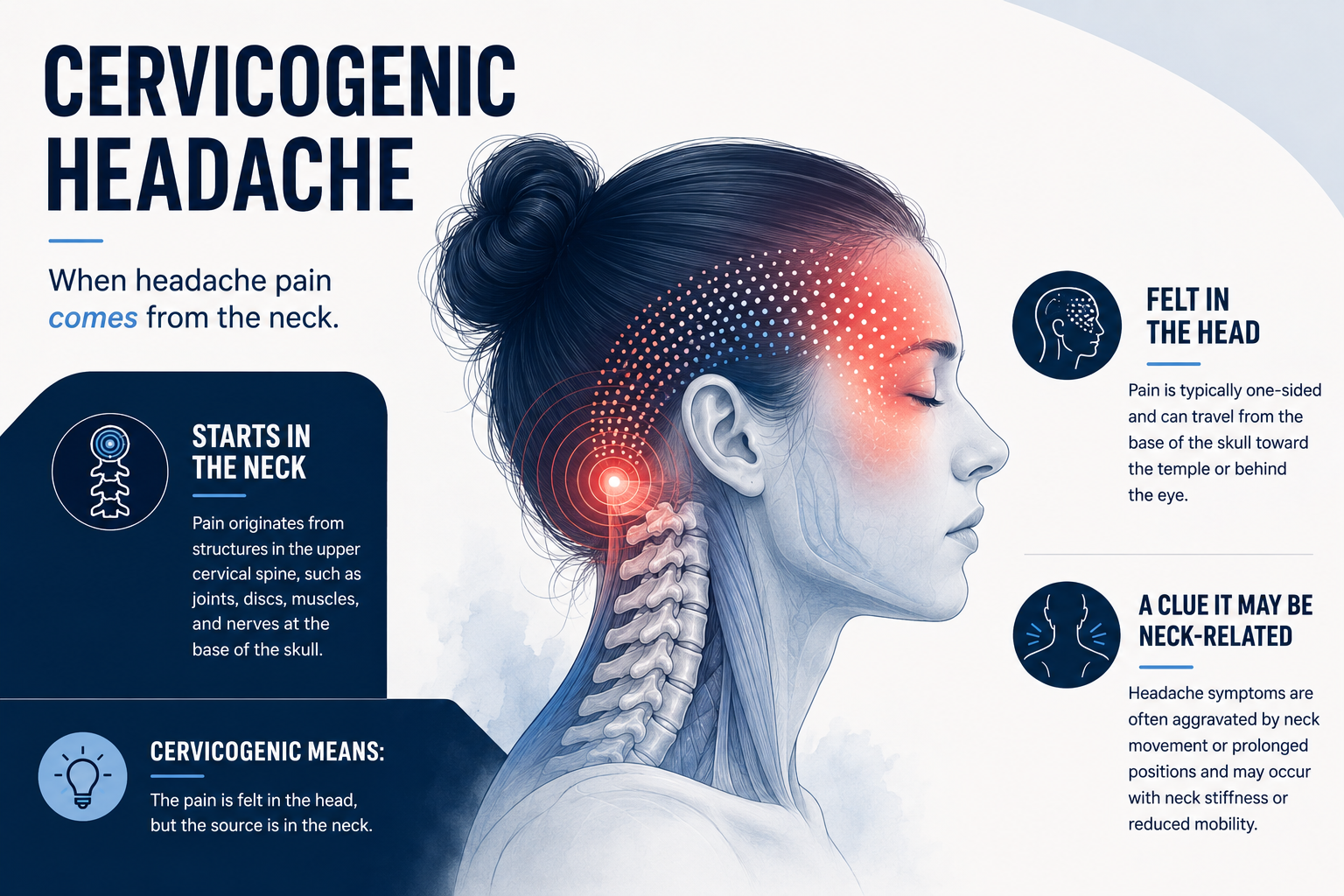
Cervicogenic headaches originate from structures in the neck, although the pain is felt in the head.
Common Symptoms
Common features of cervicogenic headaches can include:
Pain starting in the neck: Pain often begins in the neck or at the base of the skull and travels forward toward the front of the head or behind the eyes.
One-sided pain: The headache is commonly felt on one side of the head and typically stays on the same side.
Worsening with neck movement or prolonged positions: Head pain may be triggered or aggravated by certain neck movements or sustained positions, such as looking down at a laptop or sitting at a desk for long periods.
Neck stiffness and reduced mobility: You may notice that your neck feels stiff or tight or that you have difficulty turning or moving it as freely as usual.
Shoulder or arm pain: Some people also experience pain that extends into the shoulder or arm on the same side as the headache.
Tenderness in the neck: Pressing on certain muscles or joints around the neck or base of the skull may reproduce or worsen familiar headache symptoms.
Why Your Headaches Keep Coming Back
Pain Relief Doesn’t Always Fix the Problem
When a severe headache strikes, the immediate priority is finding relief. You might reach for over-the-counter pain medication, apply a heat pack, or book a massage to help alleviate tension in your neck and shoulders. While these approaches can help reduce symptoms, they may not address the factors contributing to why your headaches keep returning.
If your neck is contributing to your headaches, restricted movement in the upper neck or reduced strength and endurance in the muscles that support it may play a role. In these cases, the pain may return even after the initial symptoms have settled.
For longer-term improvement, it is important to look beyond symptom relief and identify the specific factors that may be placing additional strain on your neck. These can include joint mobility, muscular strength and endurance, posture, and movement patterns.
A comprehensive rehabilitation approach aims to address these contributing factors by improving joint mobility, building muscular endurance, and helping you move more comfortably and efficiently during your everyday activities.
Why We Don’t Just Treat the Neck
When you have a stiff neck and a headache, it can be tempting to focus treatment exclusively on the cervical spine. However, the neck doesn’t work in isolation. It is part of a connected system—or kinetic chain—that includes the upper back and shoulders.
The Neck and Upper Back Work Together
Your cervical spine sits directly on top of your thoracic spine (your upper and mid-back). If your upper back is stiff or has limited mobility—something that can develop with prolonged desk work—your neck may have to compensate to help you look around and move normally.
Over time, this additional demand on the neck may contribute to irritation of the joints and surrounding muscles and, in some people, may play a role in recurring cervicogenic headaches.
How Shoulder Function Can Influence Headaches
Several muscles that attach to your neck, including the upper trapezius and levator scapulae, also attach to your shoulder blades. This means that the way your shoulders and shoulder blades move can influence the demands placed on your neck.
If your shoulder mechanics or scapular muscle function are not optimal, everyday activities such as lifting your arms, typing on a keyboard, or carrying a heavy bag may place additional demand on the muscles around your neck and shoulders.
Why Strength and Endurance Matter
You might be strong enough to lift heavy weights at the gym, but do the deep stabilizing muscles of your neck have the endurance to support your head throughout an eight-hour workday?
Reduced endurance in the deep neck flexors and postural muscles can make it harder for these muscles to manage prolonged positions throughout the day. This may increase the workload on the muscles and joints around the upper neck and base of the skull, potentially contributing to irritation and recurring headaches.
How We Assess Neck-Related Headaches
A thorough clinical examination is essential when assessing cervicogenic headaches and developing an individualized treatment plan. We look beyond the site of the pain to identify the factors contributing to your headaches.
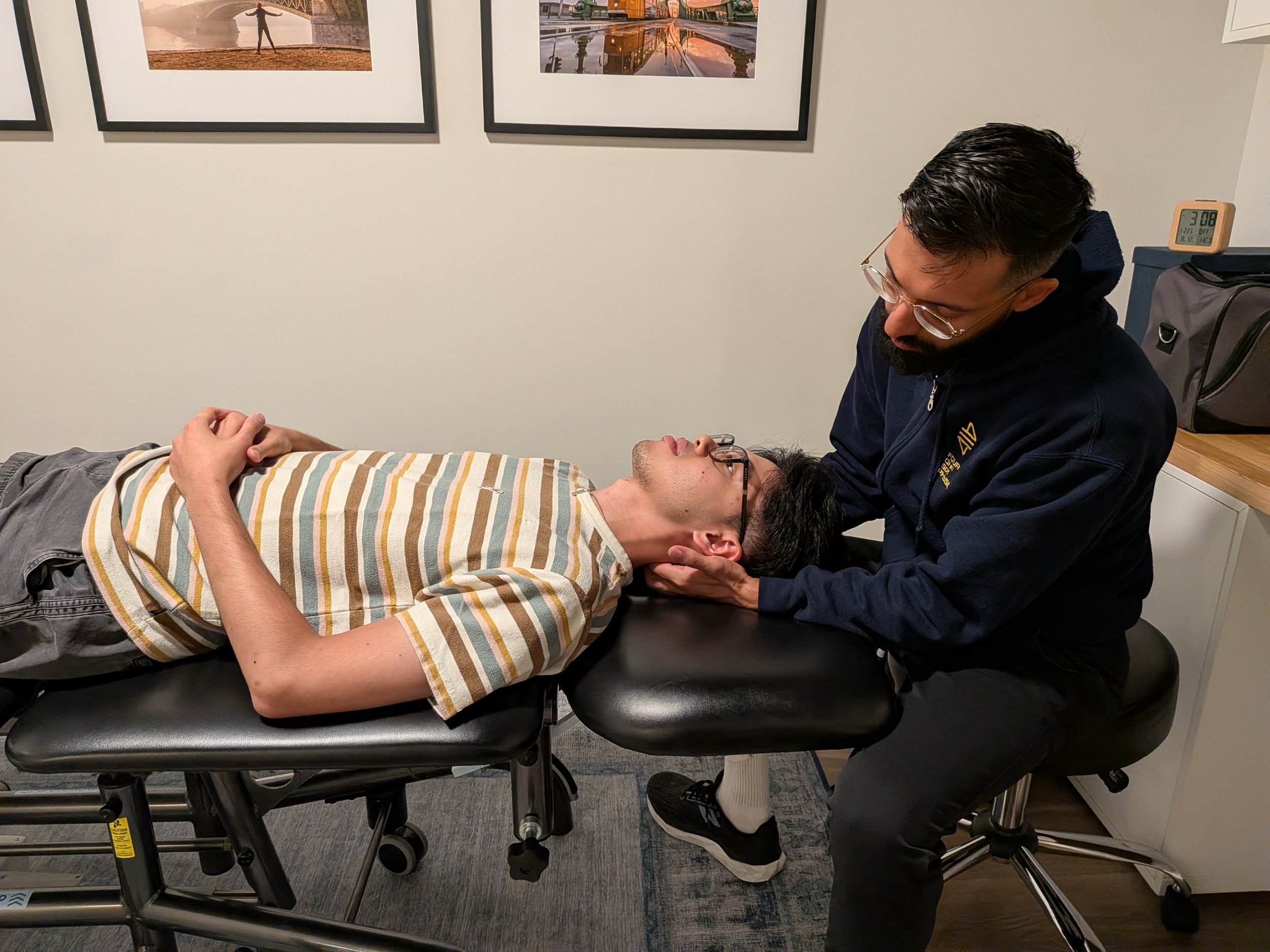
A neck assessment can help determine whether the cervical spine is contributing to recurring headaches.
Neck Mobility
We carefully assess both your active range of motion—how your neck moves on its own—and passive range of motion, where the clinician moves your neck for you.
One clinical test we use is the Cervical Flexion-Rotation Test (CFRT). This test assesses movement in the upper cervical spine by gently rotating your head while your neck is positioned in flexion. Research has found that people with cervicogenic headaches often have more restricted movement during this test compared with people without headaches and those with migraines.
Upper Back Mobility
We evaluate the stiffness and mobility of your thoracic spine (upper and mid-back). Because your upper back and neck work together during everyday movement, restricted upper back mobility can place additional demands on the cervical spine and contribute to the headache cycle.
Posture and Ergonomics
We look at your posture while sitting, standing, and moving, as well as whether certain positions reproduce or aggravate your symptoms. We also discuss your daily ergonomic setup at work or home to identify prolonged positions or habits that may be contributing to your headaches.
Muscle Function and Strength
Research has identified reduced neck muscle strength and endurance in people with cervicogenic headaches. We assess the function of the deep muscles at the front of your neck using the cranio-cervical flexion test (CCFT), a clinical test that looks at how well these important stabilizing muscles activate and maintain control.
This helps us identify whether muscle strength or endurance needs to be addressed as part of your rehabilitation.
Identifying Contributing Factors
We also take a thorough history and look at factors beyond strength and mobility that may be contributing to or aggravating your headaches. These can include stress, diet, sleep quality, sleeping position, pillows, mattresses, and other aspects of your daily routine.
Looking at the bigger picture helps us understand what may be driving your symptoms and build a treatment plan around your individual needs.
How Chiropractic Rehab Helps Cervicogenic Headaches
Improving Joint Mobility
Research supports manual therapy for reducing headache intensity, frequency, and disability in people with cervicogenic headaches. Treatment may include high-velocity low-amplitude (HVLA) spinal manipulation—a quick, controlled movement applied to a specific joint—as well as gentler joint mobilization techniques.
Techniques targeting the upper cervical spine, including the C1-C2 region, can help restore movement in restricted joints and reduce symptoms.
Reducing Muscle Tension
We use various soft tissue techniques, including instrument-assisted soft tissue mobilization, ischemic compression, and myofascial release, to help reduce muscle tension and sensitivity around the neck and shoulders. Other treatments, such as dry needling or acupuncture, can also be used to help reduce headache intensity and manage muscle tension.
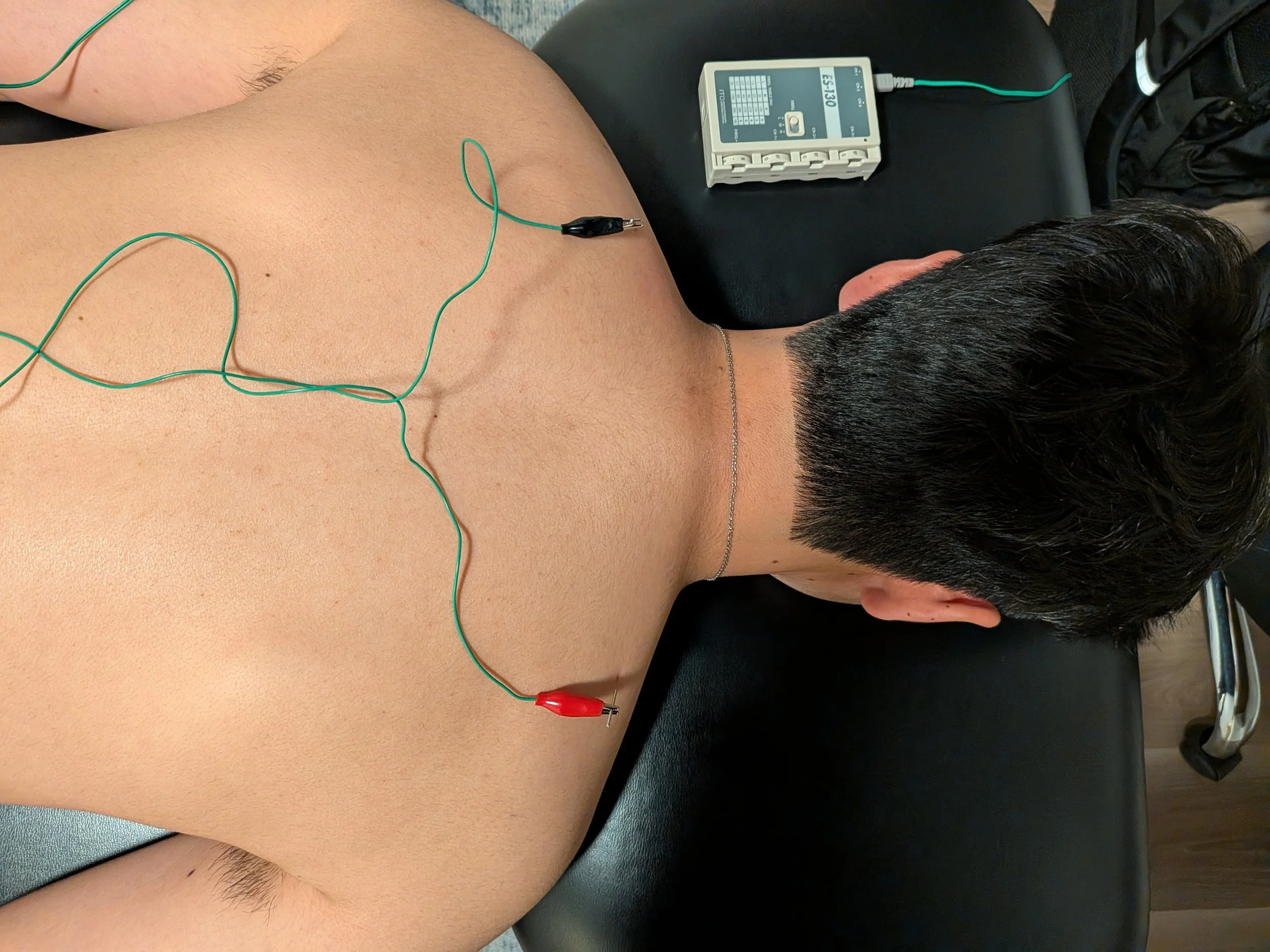
Dr. Gill incorporates acupuncture when appropriate as part of an individualized treatment plan. He has completed additional training through the McMaster University Contemporary Medical Acupuncture Program.
Improving Neck Function
By combining spinal manipulation or joint mobilization with soft tissue therapies, we can improve joint mobility, reduce muscle tension, and improve the overall function of the cervical spine.
Treatment can also help improve proprioception—your body's awareness of the position and movement of your neck—which is important for how you control and move your head and neck during everyday activities.
Combining Hands-On Treatment With Exercise
While manual therapy can provide pain relief and improve mobility, treatment shouldn't stop there. The goal is to improve long-term function and reduce the likelihood of recurring headaches.
Research supports combining hands-on manual therapy with specific, targeted therapeutic exercise for people with cervicogenic headaches. Exercise helps build on the improvements made through hands-on treatment by addressing strength, endurance, mobility, and movement patterns that may be contributing to recurring symptoms.
Why Exercise Matters for Cervicogenic Headaches
While spinal adjustments or massage can feel great and provide relief, exercise is a key part of creating lasting improvements. Exercise therapy for cervicogenic headaches is multifaceted and incorporates not only the neck, but the upper back and shoulders as well.
Depending on what we find during your assessment, your exercise program may include the following:
Deep Neck Flexor Training
Your deep neck flexors act as the vital “core” muscles of your cervical spine. Reduced strength or endurance in these muscles is commonly seen in people with cervicogenic headaches.
Specific, low-load exercises help recruit, train, and strengthen these deep muscles, improving the stability and control of your neck and helping reduce recurring symptoms.
Postural Strengthening
Strengthening the postural muscles of your mid-back, lower neck, and shoulder blades helps you maintain comfortable positions for longer periods and reduces the daily demands placed on your upper neck.
This can be especially important if you spend long hours working at a computer, driving, studying, or in other sustained positions.
Upper Back Mobility Exercises
If your upper back is stiff, your neck may have to work harder and compensate for the lack of mobility. Targeted mobility exercises help keep your thoracic spine moving well and allow your neck and upper back to share the demands of everyday movement.
Building Endurance for Daily Activities
Why does muscular endurance matter so much? Because muscles that lack endurance fatigue quickly.
You might be strong enough to lift heavy weights at the gym, but that doesn't necessarily mean the stabilizing muscles of your neck have the endurance to support you through an eight-hour workday.
When these muscles fatigue, more demand can be placed on other structures in the neck, including the joints, ligaments, discs, and joint capsules. Building muscular endurance helps your neck better handle the physical demands of work, exercise, driving, and everyday activities without repeatedly aggravating your symptoms.
The goal isn't just to help you feel better. It's to build the strength, mobility, and endurance your body needs to stay better.
Headache Treatment at 416 Physio in Etobicoke
Our Assessment Process
At 416 Physio, our assessment process doesn't just look at where your head hurts. We look at how your whole body moves.
As we discussed above, this can include assessing your cervical spine mobility, thoracic spine stiffness, shoulder mechanics, posture, muscular strength and endurance, as well as other factors that may be contributing to your headaches. This helps us build a clearer picture of your individual headache triggers and determine what should be addressed in your treatment plan.
Who We Help
Neck-related headaches can affect people with very different lifestyles. We commonly work with:
Desk workers dealing with prolonged sitting, “tech neck,” neck stiffness, and headaches that build throughout the workday.
Students experiencing headaches and neck tension during long hours of studying or screen time.
Professionals whose long workdays, prolonged positions, and stress may contribute to neck and headache symptoms.
Athletes experiencing headaches associated with neck dysfunction or a history of neck trauma, concussion, or sports-related whiplash.
When to Seek Treatment
If you find yourself relying on painkillers regularly, waking up with a stiff neck, or noticing that your headaches are interfering with your ability to work, exercise, or enjoy your daily life, it may be time to have your headaches assessed.
If your neck is contributing to the problem, identifying the factors involved can give you a clearer direction for treatment rather than repeatedly managing the symptoms when they return.
You do not have to live with chronic headaches.
Why Our Approach Is Different
At 416 Physio, we provide evidence-based, rehabilitation-focused chiropractic care. We don't just stop at temporary pain relief. We combine hands-on treatments such as spinal manipulation and soft tissue therapy with targeted exercise and rehabilitation.
Every patient receives an individualized treatment plan based on their assessment findings, symptoms, and goals. By addressing mobility, strength, endurance, and other contributing factors, we aim to help you build the capacity your neck needs for work, exercise, and everyday life.
We also collaborate with our physiotherapists when appropriate, allowing us to provide well-rounded, comprehensive care.
The goal is not simply to reduce headache symptoms. It is to understand why they are occurring, address contributing factors, restore function, and help prevent recurrence.
Ready to Address the Cause of Your Headaches?
If your headaches continue to return despite medication, massage, or temporary symptom relief, it may be time to assess whether your neck is contributing to the problem.
At 416 Physio in South Etobicoke, we combine hands-on treatment, rehabilitation, and movement-based care to address the factors contributing to cervicogenic headaches and help you achieve longer-lasting improvements.
Book an assessment today to get a clear plan for recovery.
FAQs About Cervicogenic Headaches
Can neck pain cause headaches?
Yes. Research suggests that up to 90% of people with migraine or tension-type headaches also experience neck pain. In a cervicogenic headache, pain originating from structures in the upper neck can be referred into the head due to shared nerve pathways in the brainstem, including the trigeminocervical nucleus.
What does a cervicogenic headache feel like?
It typically feels like a dull, aching pain that starts in the neck or at the base of the skull and travels forward toward the front of the head, temple, or behind the eye. The pain is commonly one-sided and may be accompanied by neck stiffness or reduced mobility. It can also be aggravated by certain neck movements or prolonged positions.
How do I know if my headache is coming from my neck?
Some of the strongest clues are headaches that consistently occur on the same side, noticeable neck stiffness or reduced range of motion, and symptoms that are reliably triggered or worsened by neck movement or prolonged positions. A clinical assessment can help determine whether your neck is contributing to your headaches and distinguish a cervicogenic headache from other headache types.
Can chiropractic treatment help headaches?
Yes. Research supports manual therapy, including spinal manipulation and joint mobilization, for reducing headache intensity, frequency, and disability in people with cervicogenic headaches. At 416 Physio, we combine hands-on treatment with targeted exercise and rehabilitation to address the factors contributing to recurring symptoms.
What exercises help cervicogenic headaches?
Exercise for cervicogenic headaches typically includes a combination of deep neck flexor training, upper-back mobility exercises, and strengthening and endurance exercises for the neck, shoulders, and mid-back. This comprehensive approach helps improve neck function and builds the strength and endurance needed to support longer-term improvements.
References
1. Anarte-Lazo, E., Carvalho, G. F., Schwarz, A., Luedtke, K., & Falla, D. (2021). Differentiating migraine, cervicogenic headache and asymptomatic individuals based on physical examination findings: A systematic review and meta-analysis. BMC Musculoskeletal Disorders, 22, 755.https://doi.org/10.1186/s12891-021-04595-w
2. Bini, P., Hohenschurz-Schmidt, D., Masullo, V., Pitt, D., & Draper-Rodi, J. (2022). The effectiveness of manual and exercise therapy on headache intensity and frequency among patients with cervicogenic headache: A systematic review and meta-analysis. Chiropractic & Manual Therapies, 30, 49.https://doi.org/10.1186/s12998-022-00459-9
3. Demont, A., Lafrance, S., Benaissa, L., & Mawet, J. (2022). Cervicogenic headache, an easy diagnosis? A systematic review and meta-analysis of diagnostic studies. Musculoskeletal Science and Practice, 62, 102640.https://doi.org/10.1016/j.msksp.2022.102640
4. Jung, A., Carvalho, G. F., Szikszay, T. M., Pawlowsky, V., Gabler, T., & Luedtke, K. (2024). Physical therapist interventions to reduce headache intensity, frequency, and duration in patients with cervicogenic headache: A systematic review and network meta-analysis. Physical Therapy, 104(2), pzad154.https://doi.org/10.1093/ptj/pzad154
5. Robinson, C. L., Christensen, R. H., Al-Khazali, H. M., Amin, F. M., Yang, A., Lipton, R. B., & Ashina, S. (2025). Prevalence and relative frequency of cervicogenic headache in population- and clinic-based studies: A systematic review and meta-analysis. Cephalalgia, 45(3), 3331024251322446. https://doi.org/10.1177/03331024251322446
6. Ashina, S., Bendtsen, L., Lyngberg, A. C., Lipton, R. B., Hajiyeva, N., & Jensen, R. (2023). Neck pain and headache: Pathophysiology, treatments and future directions. Musculoskeletal Science and Practice, 66, 102804. https://doi.org/10.1016/j.msksp.2023.102804
Read more blogs from Dr. Sahib: Tennis Elbow Treatment in Etobicoke: What Actually Works (Beyond Rest)